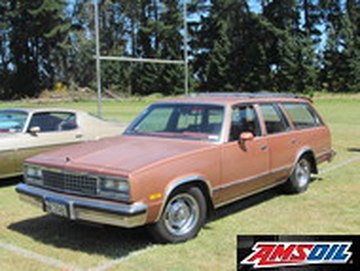
Lubrication Maintenance for the 1982 Chevrolet MALIBU 5.7L Diesel
Maintaining a diesel engine requires a disciplined approach to fluid management and routine inspections. For the 1982 Chevrolet MALIBU equipped with the 5.7L diesel engine, consistent attention to lubrication systems is a fundamental aspect of long-term vehicle health. Because diesel engines operate under different thermal and mechanical stresses than gasoline counterparts, following specific maintenance protocols helps ensure the engine remains in optimal condition.
Monitoring Fluid Integrity and Condition
A primary task for any owner is the regular assessment of the engine oil's physical state. While checking levels is standard, observing the appearance and texture of the lubricant can provide useful information regarding the engine's internal environment. If the oil appears excessively dark or shows signs of unusual thickness, it may indicate that the service interval has been exceeded or that the oil is struggling to manage combustion byproducts.
When performing these checks, look for any signs of contamination. For example, if the lubricant takes on a milky or frothy consistency, this can be associated with coolant entering the lubrication system. Such a condition warrants immediate investigation to identify the source of the mixture. Additionally, noting any unusual odors during an oil change can sometimes provide clues about how the engine is operating under load.
It is also beneficial to inspect the area surrounding the engine for evidence of seepage. While small amounts of moisture near gaskets or seals are common in older vehicles, active leaks should be addressed promptly. Monitoring these areas helps prevent significant fluid loss and keeps the engine bay cleaner, which makes it easier to spot new issues as they arise.
Systematic Inspection of Engine Components
Beyond the oil itself, a comprehensive maintenance routine involves inspecting the various components that support engine operation. For a vehicle of this age, focusing on the condition of auxiliary systems is a practical way to prevent unexpected downtime.
- Hoses and Connections: If present, inspect all visible hoses for signs of hardening, cracking, or bulging. Maintaining the integrity of these components is vital for proper thermal management.
- Drive Belts: If equipped, examine accessible drive belts for any evidence of glazing, fraying, or surface cracks. A belt that shows significant wear may eventually fail, affecting the operation of engine-driven accessories.
- Electrical Integrity: Inspect wiring harnesses and electrical connectors for signs of corrosion or heat damage. Secure connections are necessary for reliable sensor data and overall engine management.
- Air Filtration: Ensure the air intake system is free of debris and that the filtration element is clean. A restricted air supply can impact combustion efficiency and increase the load on the engine.
By combining these visual checks with regular fluid monitoring, an owner can establish a clearer picture of the vehicle's mechanical state. This proactive approach allows for repairs to be scheduled based on actual component condition rather than guesswork.
Managing Long-Term Engine Health
As vehicles age, maintenance priorities often shift from simple part replacement to more detailed condition monitoring. For the 1982 Chevrolet MALIBU 5.7L Diesel, effective long-term ownership involves moving away from a "one size fits all" mindset and instead focusing on the specific history of the individual vehicle.
If service records are available, reviewing them can help identify patterns in component wear or fluid consumption. If no records exist, establishing a new maintenance baseline is an excellent first step. This involves performing a thorough inspection of all fluids and major components to document their current state. Once this baseline is set, any subsequent changes—such as a slight increase in oil consumption or the appearance of a new seepage point—become much easier to detect.
Prioritizing tasks based on current condition is more effective than following generic age-based schedules. For instance, an engine that shows no signs of leakage may not require immediate attention to every seal, whereas a vehicle showing active seepage should have those areas addressed first. This method ensures that maintenance efforts and resources are directed where they will provide the most benefit to the vehicle's continued operation.
Understanding Lubrication Requirements
The role of engine oil in a diesel application extends beyond simple friction reduction. The lubricant must maintain its stability under varying thermal loads and resist the buildup of deposits that can occur during the combustion process. High-quality lubricants are designed to provide consistent protection, helping to manage the internal environment of the engine effectively.
When considering different types of oil, it is worth noting that some formulations are specifically engineered for aging engines. Some high-mileage oil formulations contain additives intended for use in aging engines, and some high-mileage formulations include seal-conditioning additives. These products may be useful for owners managing vehicles with higher operational hours or those observing minor seepage from older seals.
Regardless of the formulation chosen, the most critical factor is ensuring the lubricant meets the specific requirements of the 5.7L diesel engine. Using a product that does not align with the application's needs can lead to suboptimal protection and increased wear over time.
Practical Steps for Effective Ownership
To get the most out of the maintenance process, owners should adopt a habit of documentation. Keeping a dedicated log of oil changes, filter replacements, and any observed mechanical symptoms creates a valuable history. This log is not just helpful for the current owner; it provides essential context if the vehicle is ever serviced by a different technician or if it changes hands.
Furthermore, when an unusual symptom arises—such as a change in engine noise or a new warning indicator—it should be recorded alongside the date and the conditions under which it occurred. Because many mechanical symptoms can have multiple underlying causes, having a detailed history of when these signs first appeared can significantly assist in reaching an accurate diagnosis.
Buying Engine Oil for your 1982 Chevrolet MALIBU 5.7L
When you are ready to replenish the engine lubricant, it is essential to match the oil to the application-specific viscosity information already displayed on this page. Do not rely on general automotive knowledge or assumptions based on the vehicle's age to select a grade; instead, use the specific data provided in the application details above.
Before completing your purchase, always check the product labeling to ensure the oil meets the necessary quality standards and certifications for diesel applications. Whether you choose a conventional, synthetic blend, or full synthetic formulation, the priority must be adherence to the viscosity and specification requirements listed for this exact 5.7L engine. By following the application-specific guidance provided here, you can ensure that your lubricant choice supports the continued performance of your Chevrolet MALIBU.